Multi-Tenant Commerce Infrastructure
Scalable SaaS commerce architecture serving multiple independent storefronts from a unified core.
Architecture Diagram — Backend In Development

01 — Context
Single-tenant commerce builds limit growth efficiency and duplicate infrastructure cost. Scaling requires structured tenancy separation without codebase duplication.
02 — Architecture Approach
Designed a shared-service core with strict tenant isolation controls. Focused on horizontal scalability and resource optimisation rather than linear hosting expansion.
03 — System Components
- Tenant-aware routing layer
- Custom domain & subdomain handling
- Row-Level Security (RLS) / schema isolation
- Shared authentication services
- Modular storefront components
- Resource-optimised hosting strategy
04 — Outcome
Enables scalable merchant onboarding without duplicating infrastructure, reducing long-term operational overhead and compounding growth capacity.
Document Validation Engine
Computer vision pipeline for detecting digital tampering in PDF documents.
System Interface — Analysis Output



01 — Context
Digitally altered documents are increasingly difficult to detect through visual inspection alone. Manual verification processes are slow, inconsistent, and vulnerable to manipulation.
02 — Architecture Approach
Designed as a layered forensic analysis pipeline separating image preprocessing, anomaly detection, and metadata validation. The system cross-validates visual and embedded document signals rather than relying on single-point detection.
03 — System Components
- Python core engine
- OpenCV-based image preprocessing
- scikit-image anomaly analysis
- Error Level Analysis (ELA) layer
- Metadata forensic scanner
- Pixel heatmap inconsistency detection
- Structured batch-processing roadmap
04 — Outcome
Reduces exposure to fraudulent proof-of-payment and digitally altered documents by introducing structured forensic validation at the point of submission.
QuickShap Social-Commerce Dashboard
Lightweight transaction bridge between social media engagement and structured order fulfilment.
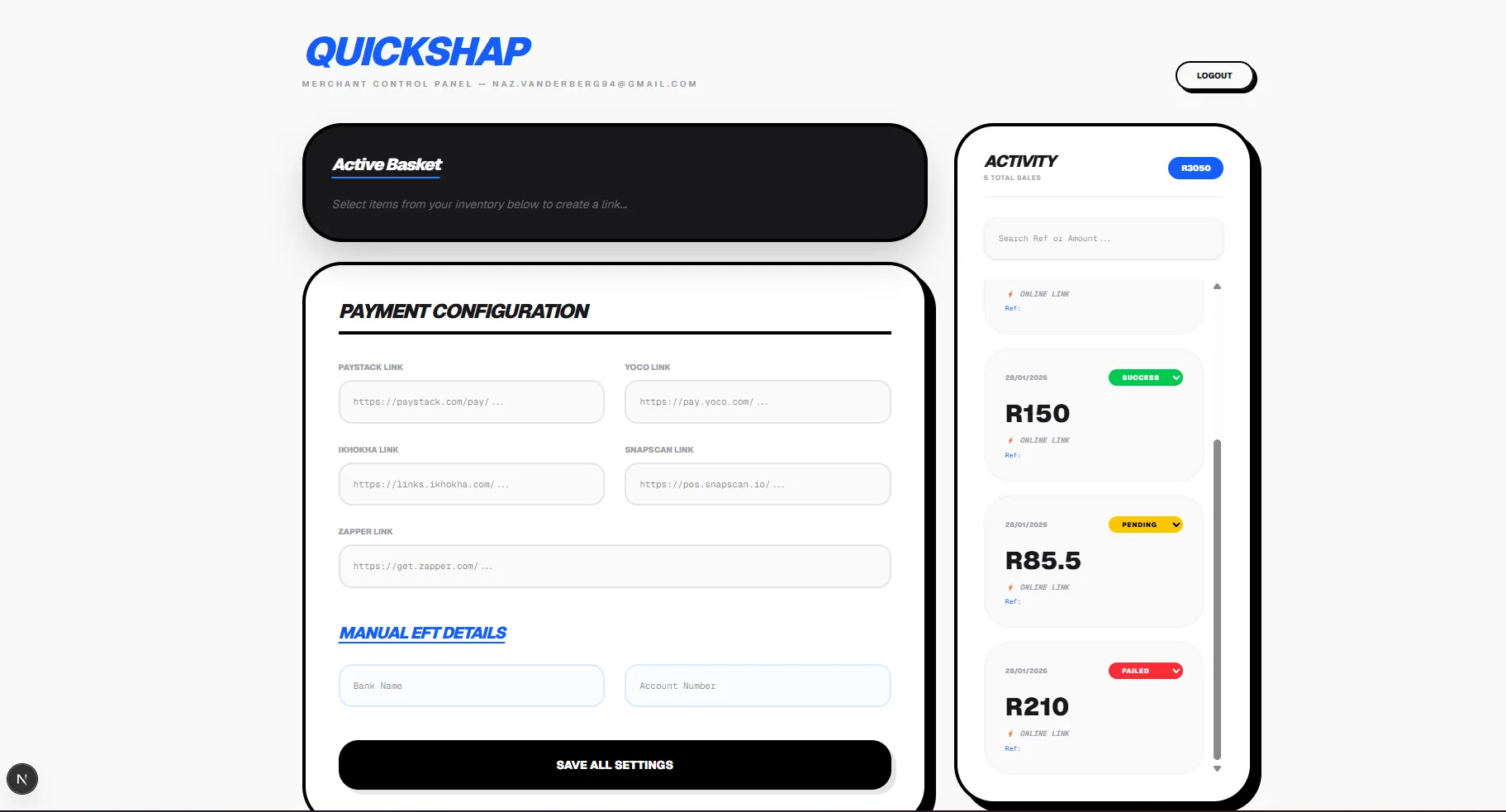
System Interface — Seller Dashboard
01 — Context
Social sellers operating through WhatsApp, TikTok, and Instagram lack structured commerce tools. Traditional e-commerce systems are too heavy for fast-moving, DM-based selling.
02 — Architecture Approach
Built as a rapid-deployment micro-commerce layer optimised for mobile-first sellers. Focused on minimising setup friction while centralising fragmented social conversations.
03 — System Components
- Link-to-chat conversion generator
- Mobile-first seller dashboard
- Inventory state toggling (in-stock / out-of-stock)
- Centralised order tracking layer
- Streamlined checkout routing
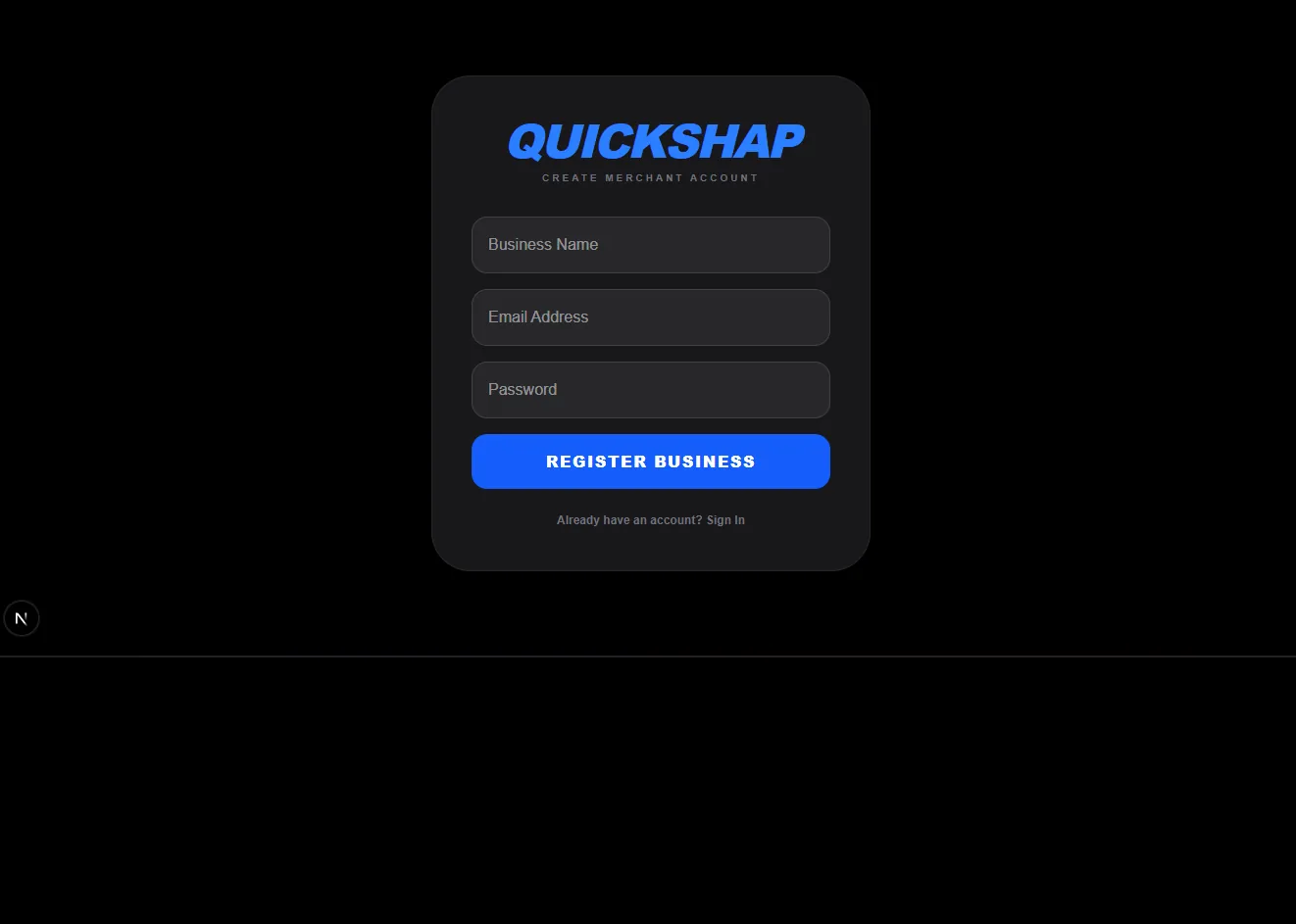
- Rapid onboarding flow (<2 minutes setup target)
04 — Outcome
Reduces friction between viral exposure and purchase execution — allowing creators to convert attention into structured revenue without traditional storefront overhead or lost sales from DM chaos.
Autonomous Content Strategy Agent
Automated content intelligence system for brand positioning and distribution.
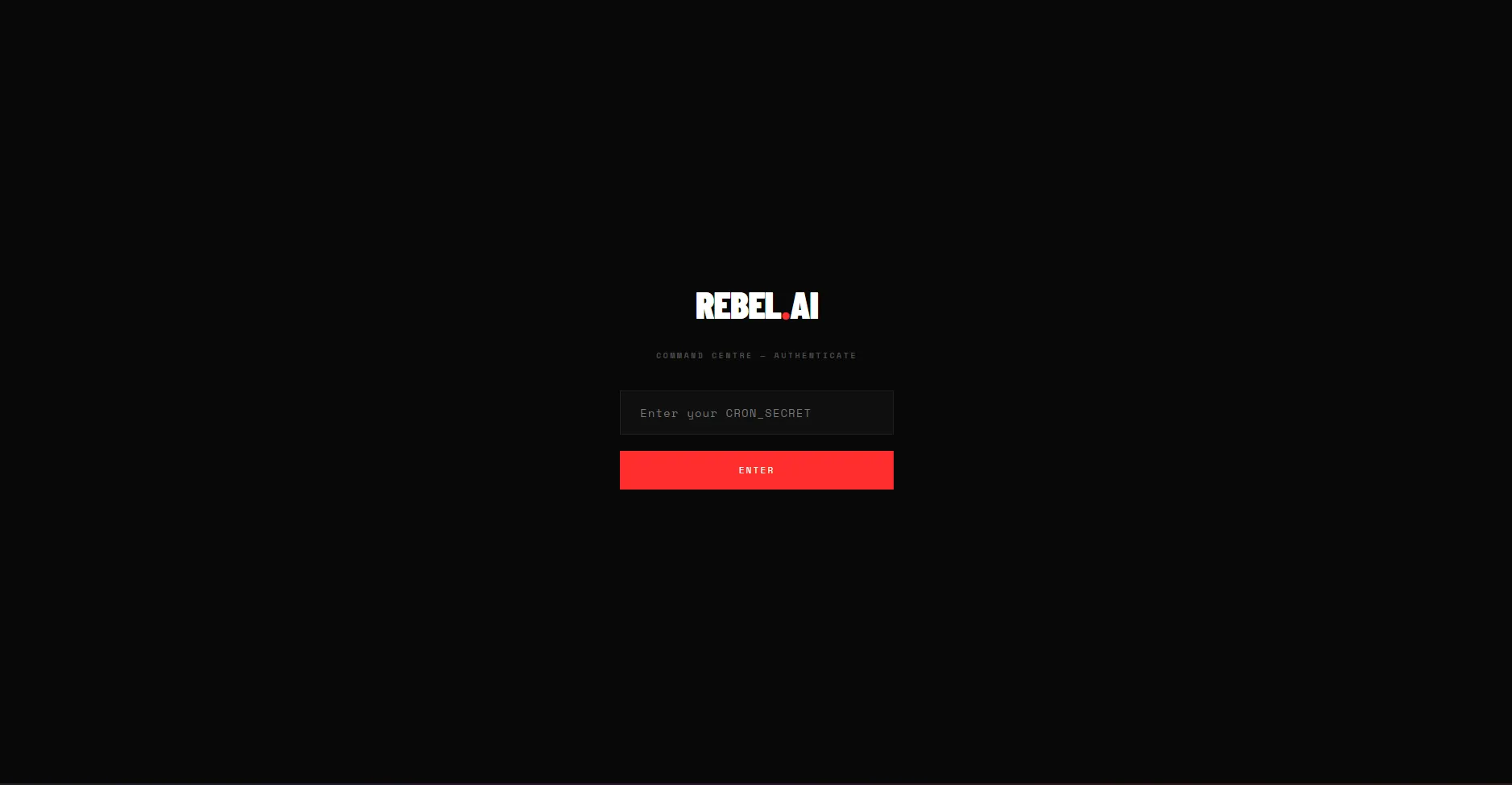
System Interface — Agent Control


01 — Context
Consistent brand presence across multiple social platforms requires structured content strategy, not reactive posting.
02 — Architecture Approach
Developed as a trend-aware content generation agent focused on brand-aligned output rather than conversational support. Intentionally scoped to creation, not customer service automation.
03 — System Components
- Trend analysis layer
- Platform-specific formatting logic
- Brand voice conditioning
- Structured content scheduling output
- Channel differentiation controls
04 — Outcome
Enables consistent multi-platform brand visibility while eliminating reactive content decisions — freeing operator attention for higher-leverage work.